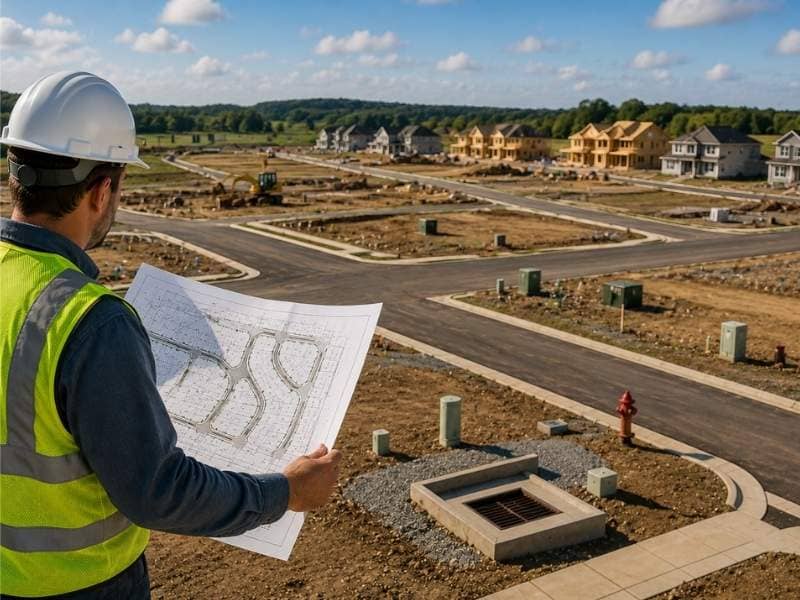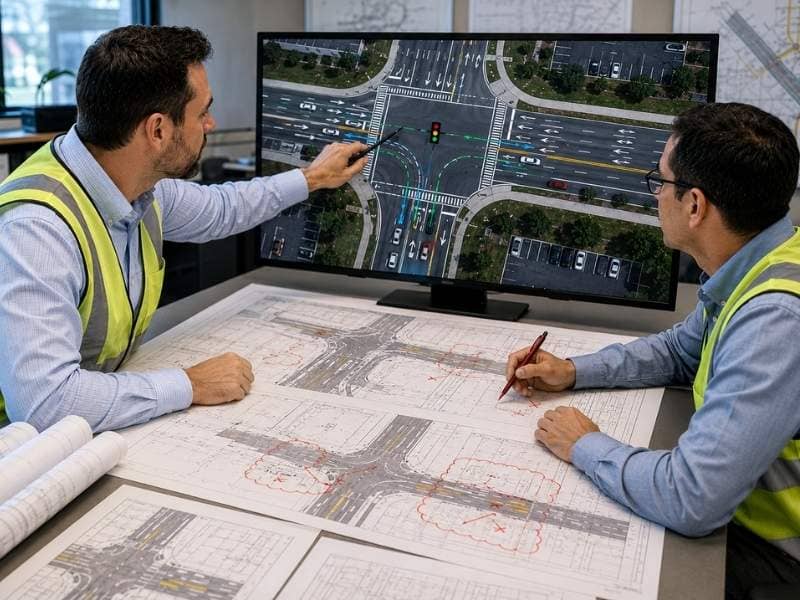
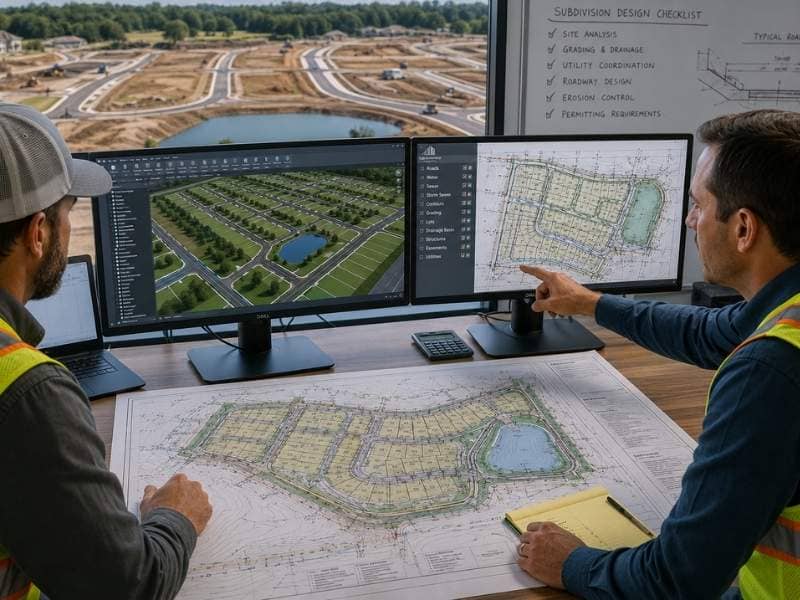
Subdivision engineering used to follow a fairly steady set of steps. Lay out the lots, design the roads, route the water and sewer, then submit the plans. That work is getting harder. New rules, tougher drainage standards and tighter utility layouts now ask far more of every plan. The result is a process with more moving parts and less room for error. Engineers who plan for that complexity early keep their projects on track. The ones who don’t tend to lose time in review.
Why Subdivision Engineering Has More Rules to Follow
The rulebook for new subdivisions keeps growing. A plan that once cleared one local office now passes through several. Stormwater permits, environmental reviews, fire access and road rules each bring their own checklist.
Many of these rules tie back to safety and the environment. A town wants streets wide enough for fire trucks. A state wants runoff that won’t pollute a nearby creek. Each goal adds a standard the design has to meet.
These layers also stack on top of each other. A change to meet one rule can break another. Move a road for better drainage, and you might shrink a lot below the minimum size. Engineers now spend more time making sure every rule fits together before a plan goes in for review.
How Drainage Planning Plays a Bigger Role in Subdivision Engineering
Drainage used to be a late step. Now it shapes the whole layout. Rules often make a subdivision hold back its own rainwater and let it out slowly, so nearby land doesn’t flood.
That single rule changes a lot. The design has to find space for ponds or basins. That space can take up land that would have held more lots. Road grades, lot pads and yard slopes all have to send water where the plan wants it.
Newer standards go a step further and ask for cleaner runoff, not just less of it. The design may need features that filter out dirt and oil before water leaves the site. Strong drainage planning protects the roads, the homes and the land downstream all at once. Weak planning shows up later as standing water, washed-out streets and frustrated neighbors.
Why Utility Design Takes More Planning Today
A subdivision packs a lot of pipes and lines into a tight space. Water, sewer, storm drains, power, gas and internet all share the same ground. Each one needs room. It also has rules about how close it can sit to the others.
That is why utility design takes more planning today. Sewer lines usually run by gravity, so they set the depth other lines must work around. Water lines have to stay a safe distance from sewer to keep the supply clean. Fit these together wrong on paper, and crews hit conflicts in the field.
A field conflict gets expensive fast. It can stop digging, force a redesign and push back every task that follows. Careful layout up front maps every line in 3D. That helps a crew build the system once instead of twice.
How New Technology Helps With Subdivision Engineering
Modern design software has changed how subdivisions come together. Engineers now build the whole site as a 3D model instead of flat lines on paper. The model shows how roads, lots and pipes relate before anyone breaks ground.
This helps in two big ways. First, the software can scan the design for clashes. It can catch a water line crossing a storm drain early. Second, it can figure out how much dirt to cut or fill, which keeps grading costs in check.
The bigger payoff is handling change. A reviewer asks for a wider road, and the model updates the affected grades, lots and drainage in minutes. Older methods meant redrawing sheets by hand for days. Faster updates mean fewer mistakes and a quicker path through review.
Why Early Planning Can Prevent Problems Later
The smartest move here happens before the first lot line. Engineers study the site’s soil, slope and features, then let those facts guide the layout. A plan built around the land tends to hold up. A plan forced onto the land tends to break.
Early study answers questions that get costly later. Soft soil might rule out a road in one spot. A steep slope might limit how many lots fit. Knowing these limits first means the layout works with them instead of fighting them.
This order also keeps surprises from piling up during construction. When the design already accounts for the real site, crews face fewer stop-and-fix moments. The work moves in a straight line from approved plans to finished streets.
Frequently Asked Questions
Why is subdivision engineering more complex today?
More rules, stricter drainage standards and tighter utility layouts have all piled onto the same design. Each one adds a requirement the plan must meet, and the requirements often pull against each other. Engineers now spend extra time making sure every piece fits before review.
What does drainage planning do in subdivision engineering?
It controls where rainwater goes across the whole site. Good planning holds runoff back, releases it slowly and keeps it clean, which protects streets and nearby homes. Weak planning leads to flooding, eroded roads and failed inspections.
Why is utility design important in subdivision engineering?
Water, sewer, power and other lines all share a narrow strip of ground, so the design has to place each one with care. Smart design keeps the required distance between them and avoids clashes that stop construction. Getting the layout right on paper saves costly fixes in the field.
How does technology help with subdivision engineering?
Design software lets engineers build the subdivision as a 3D model and test it before construction. The model catches conflicts, estimates earthwork and updates quickly when plans change. That accuracy cuts errors and speeds up approvals.
Why is early planning important for subdivision engineering projects?
Studying the site first lets its soil, slope and features shape the layout. A design built around real conditions avoids limits that would otherwise surface during construction. That foresight saves time and prevents expensive redesigns.