Traffic Study Mistakes That Trigger Redesigns
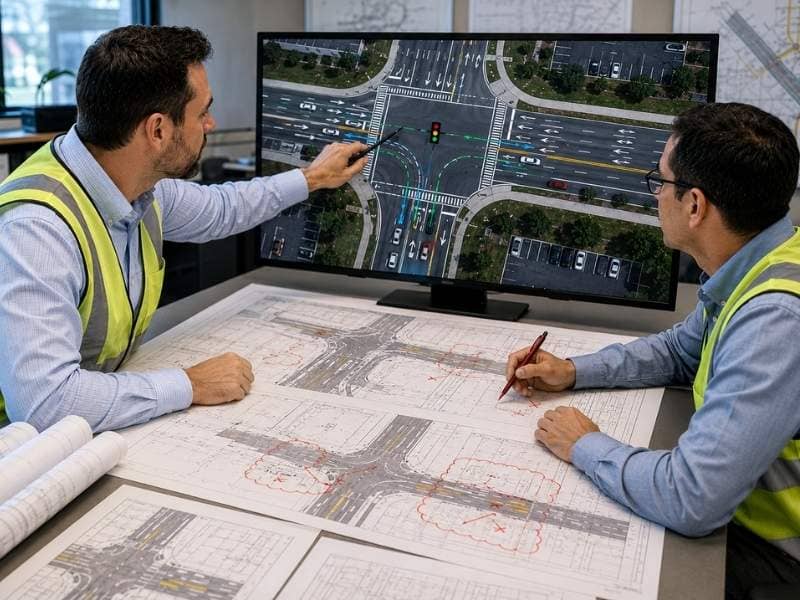
A traffic study looks at how a new project will change traffic in the surrounding area. It checks roads, driveways, and turn lanes before plans get locked in. Skipping this step can send a project into real trouble later. Traffic concerns are pushing many reviews to become stricter. This makes an early traffic study more important than it used to be. Here is why traffic study mistakes can force a project to start over from scratch.
Why a Traffic Study Should Start Early
A traffic study should happen before final plans get drawn, not after the design is already set. Waiting until later in the process can lock engineers into bad choices that often fail once the real traffic numbers come in. Early data lets engineers plan roads and driveways the right way, fixing problems on paper instead of discovering them in the field. Traffic concerns are growing in many areas, and reviewers are looking closer at how new projects affect nearby roads. A project that waits too long on traffic data often runs into more pushback during review. Starting early keeps the whole design moving in the same direction instead of pulling it apart later.
Wrong Traffic Data Can Lead to Changes
Old traffic counts can cause real problems down the road, since a street that felt quiet last year might be carrying far more cars today. Using outdated numbers can make a traffic study wrong from the very start, and reviewers will compare that study against the traffic patterns happening right now. A mismatch between old data and current conditions usually sends the whole study back for new counts.
That kind of delay can force changes to:
- Road designs that no longer match real traffic flow.
- Driveway placement that worked under old assumptions.
- Parking layouts sized for the wrong number of cars.
Fresh data costs very little compared to a full project redesign, and getting the numbers right the first time saves both the schedule and the budget.
Poor Driveway Plans Can Delay a Project
A traffic study often uncovers driveway problems that the original plans missed entirely. Common issues include:
- A driveway placed where cars must wait too long to turn onto the road.
- High traffic near an exit that ends up requiring a turn lane the first design never accounted for.
- A driveway angle that blocks a clear view down the road for drivers pulling out.
These problems tend to stay hidden until the traffic numbers actually get checked. Once they surface, the driveway design often needs a complete redo, and that kind of late fix adds real cost and time to a project that seemed finished.
Not Planning for More Traffic
A traffic study should look well past today’s traffic count, since roads near a growing area rarely stay the same for long. More homes and businesses moving into the area usually mean more cars on the road every year that follows. A study that only checks current traffic can easily miss that kind of growth. Reviewers often ask for projections that look years into the future. They want more than a snapshot of today’s conditions. A plan built entirely on present traffic levels can fail review once that future growth gets factored in. Planning for future traffic from the very beginning avoids a second round of study. It also keeps the project ready for the area as it continues to grow.
Good Planning Can Help Avoid Redesigns
Early planning helps engineers find traffic problems long before construction ever begins. A traffic study completed early gives the design team time to fix issues on paper, which is far cheaper than fixing them once roads and driveways are already built. A well prepared traffic study also tends to move through review much faster, since reviewers spend less time asking for new counts or correction reports. Projects that treat traffic study work as an early planning step typically save money and avoid the long delays that come from late redesigns. Getting this step right early keeps the rest of the project moving on schedule instead of stalling later.
A traffic study works best when it starts early and looks ahead instead of just at the present moment. Good data on driveways, roads, and future traffic keeps a project moving forward instead of stuck in an expensive redesign.
Frequently Asked Questions
What is a traffic study?
A traffic study shows how a new project is likely to affect traffic in the surrounding area. It examines roads, driveways, and nearby intersections. This shows how well they can handle the added vehicles.
Why is a traffic study important?
A traffic study helps confirm that roads and driveways can safely handle extra vehicles. A new project always brings more cars into the area. Skipping this step can lead to costly changes much later in the process.
Can traffic problems delay a project?
Yes, traffic concerns can lead to plan changes and slower approvals throughout the review process. A reviewer may request new traffic counts or an entirely new driveway design. Each of these requests adds more time to an already tight schedule.
Why should future traffic be included in a traffic study?
Traffic volumes usually grow over time as an area continues to develop. Planning ahead for that growth helps prevent problems from surfacing later in the project. It also keeps the design ready to handle more vehicles as the surrounding area expands.
How can a traffic study save money?
Finding problems early in the process can help avoid costly redesigns and lengthy delays. Fixing an issue on paper during the planning stage costs far less than fixing it after construction is already underway. Early data keeps the whole project on a steady and predictable budget.
