
Traffic Study Planning for Hospital Shift Changes
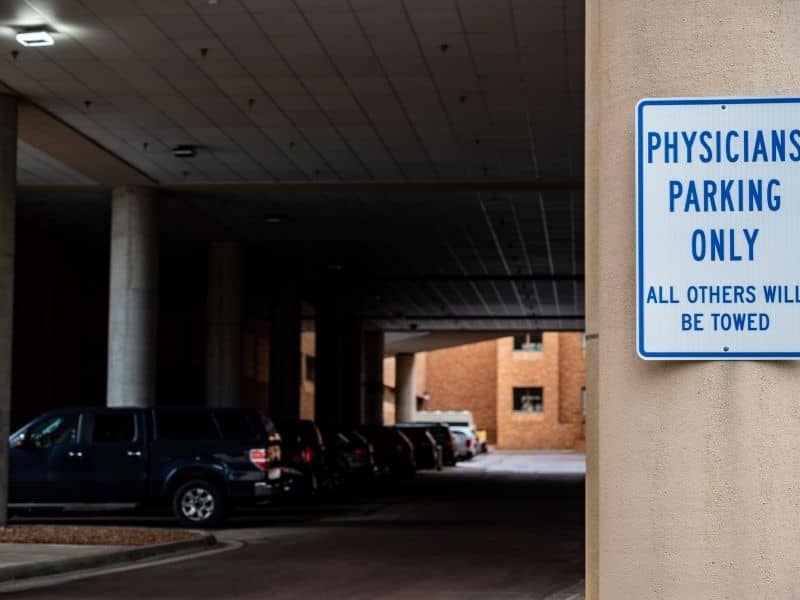
Two or three times a day, a hospital’s parking lots and driveways fill and empty within the same half hour. Outgoing staff are leaving while the next shift arrives, and visitors, deliveries, and ambulances are all using the same roads. When a campus expands, that crunch usually gets worse unless the design plans for it. A traffic study measures those peaks and shows what the site and nearby roads can really handle.
A traffic study, often called a traffic impact study, is an engineering analysis of how a project will affect traffic on and around a site. It typically counts existing traffic, estimates new trips, and tests intersections, driveways, and turn lanes under future conditions. This guide is for hospital facility leaders, healthcare developers, and the design teams planning an expansion or new building. The takeaway is to scope the study around shift change peaks early, since those peaks often shape access and parking design more than the standard commuter rush.
Identify Traffic Patterns During Hospital Shift Changes
Standard traffic studies often focus on weekday morning and evening commuter peaks. Hospitals run on a different clock. Shift changes may happen early in the morning, mid-afternoon, or late evening, depending on how the hospital schedules staff. A useful study counts traffic during those windows as well as the typical rush hours.
Data collection may include turning movement counts at nearby intersections, driveway counts, and parking occupancy checks. Counting over several days helps capture differences between weekdays and weekends. Parking or badge data, when the hospital can share it, helps confirm when the real peaks occur. The better the baseline data, the more reliable the future projections.
Evaluate Site Access, Circulation, and Road Capacity
Once patterns are clear, the study tests how well roads and driveways handle them. Engineers often describe intersection performance using level of service, a letter grade from A to F that reflects delay. They also look at queue lengths, which show how far cars back up at driveways and signals. Long queues at shift change can spill onto public roads or block other entrances.
Circulation inside the campus matters as much as the public roads. Emergency routes should stay separate from staff parking traffic wherever possible, and loading docks need truck routes that avoid busy pedestrian areas. The study can recommend changes such as added turn lanes, new driveways, signal timing adjustments, or separate entrances for different users. Common questions the study should answer include the following.
- Can nearby intersections handle shift change peaks after the expansion?
- Will driveway queues back onto public roads?
- Are ambulance routes clear of staff and visitor traffic?
- Do trucks have a direct path to loading areas?
- Where do pedestrians cross drive aisles and garage exits?
Study requirements vary by jurisdiction and road owner. City, county, or state transportation agencies may set scoping rules, analysis periods, and study area limits. Meet with the reviewing agency early to agree on scope. That meeting can prevent a costly second round of analysis.
Assess Grading, Drainage, and Site Conditions
Traffic recommendations turn into physical changes, and those changes depend on site conditions. A new turn lane or driveway may require road widening, new curbs, and relocated utilities. Grading affects sight distance, which is how far a driver can see approaching traffic from a driveway or intersection. A crest in the road or a steep driveway can limit sight distance and affect where an entrance can safely go.
New pavement also changes drainage. Added lanes, parking, and drive aisles increase runoff, which may call for stormwater management such as inlets, pipes, or detention. Soil conditions affect pavement design, since weak or wet soils may need more base material or ground improvement. A geotechnical investigation and topographic survey help the design team plan these improvements with real data instead of assumptions.
Plan Construction Impacts Around Hospital Operations
Hospitals can’t close for construction. Emergency access, patient drop-off, and staff parking must stay open while roads and drives are rebuilt. A maintenance of traffic plan, which shows how vehicles and pedestrians will move around work zones, is usually part of the design. Traffic study data helps decide which phases and detours are workable.
Timing work around shift changes can reduce conflicts. Lane closures, material deliveries, and concrete pours may be scheduled outside peak windows when possible. Temporary staff parking or shuttles can relieve pressure when lots are taken out of service. Coordinate the phasing plan with hospital operations, security, and emergency services before construction starts.
Noise, vibration, and dust matter near patient areas too. Construction methods and working hours may need to reflect those concerns. Discuss them early with the contractor and hospital leadership so the schedule accounts for them.
Use Traffic Study Findings for Long-Term Site Design
A good traffic study keeps paying off after the current project. Its data can guide future parking structures, road connections, and building locations across the campus. Many hospitals expand in phases, and each phase may add staff and visitors. Planning access for the full buildout reduces the chance of tearing out new pavement later.
Pavement design is one long-term item worth planning with traffic data. Truck and bus volumes affect how thick pavements and bases need to be. Durable pavement in high-use areas can mean fewer maintenance disruptions on a busy campus, though material choices depend on loads, soils, drainage, budget, and design. Keep the study with campus planning records so future teams can update it instead of starting over.
Frequently Asked Questions
What is a traffic study?
A traffic study is an engineering analysis of how a project affects traffic on and near a site. It usually includes traffic counts, trip estimates, and tests of intersections and driveways under future conditions. The results guide access design, turn lanes, signals, and parking. Requirements for the study depend on the project and the reviewing agency.
Why do hospital shift changes matter in a traffic study?
Shift changes create sharp spikes as one group of staff leaves and another arrives. Those spikes may not line up with typical commuter peaks. A study that misses them can underestimate queues and congestion. Counting during actual shift windows gives a more accurate picture.
Does every hospital expansion need a traffic study?
Not every project, but many larger expansions trigger one based on added trips, building size, or local rules. The reviewing transportation agency usually decides whether a study is required and what it must include. Even when it isn’t required, a study can help avoid access problems. Ask the agency early in planning.
How long does a traffic study take?
Timing depends on study area size, data collection, analysis scope, and agency review. Data collection may need to wait for typical conditions and avoid holidays or unusual events. Agency review and comments can add several weeks or more. Start early if permits or construction depend on approval.
Can construction keep emergency access open?
In most cases, yes, with careful phasing and a clear maintenance of traffic plan. Designers often keep emergency routes separate and schedule the most disruptive work away from them. Temporary signs, flaggers, and alternate entrances may be used during certain phases. Coordinate plans with hospital staff and emergency services before work begins.
