
Site Design for Secure Data Center Compounds
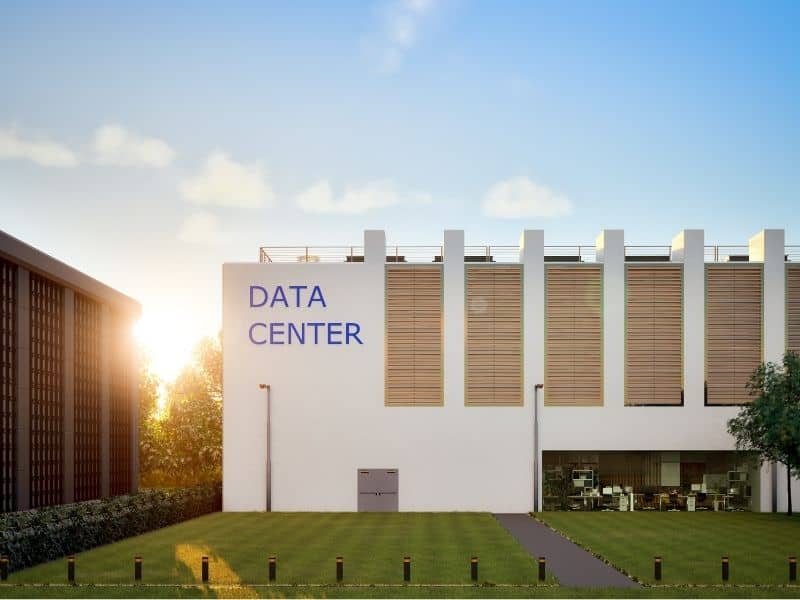
A data center’s first line of defense is the ground it sits on. Long before servers arrive, the site has to carry heavy equipment, handle large amounts of rain, control who gets in, and stay stable for decades. As a result, errors in grading, access, or foundations are hard to remedy once the building is in operation. Good site design builds security and reliability into the land itself.
Site design is the civil engineering work that lays out a property’s grading, drainage, access, utilities, pavement, and foundations. For a secure data center, it also shapes the fence line, vehicle control, and room to grow. This guide is for developers, owners, and project managers planning a data center, with notes for architects and contractors. The main takeaway is simple. Bring civil, soil, and security planning together from the very first site study.
Assess Site Conditions for a Secure Data Center
Start with what’s under the surface. A geotechnical investigation uses soil borings and lab tests to measure soil strength, rock depth, and groundwater. Those results drive foundation design, pavement thickness, and how much earthwork the site needs. On sites with shallow rock or limestone that can form sinkholes, extra borings or other testing may be needed to look for hidden voids.
Surface conditions matter too. A topographic survey shows slopes, drainage paths, and existing features that affect where buildings can go. Flood maps, wetlands, and nearby streams can limit where critical equipment is placed. Many owners want data halls and electrical yards well above flood-prone ground, though the exact rules depend on the owner, insurer, and local code.
Plan Grading, Drainage, and Site Access
Grading sets the shape of the site. Data center buildings and equipment yards usually need large, flat pads, which can mean a lot of cut and fill on sloped land. Balancing cut and fill where possible cuts down on hauling costs. Fill placed under buildings must be compacted and tested to meet the design, and retaining walls may be needed where grades change sharply.
Drainage needs early attention because large roofs and paved areas create a lot of runoff. Stormwater systems may include inlets, pipes, detention ponds, and water quality features, based on local rules. Generator yards, electrical rooms, and other key areas should sit where water flows away from them. Some designs place ponds or planted areas along the edge of the site, where they also add distance between the fence and the building.
- Perimeter fencing with clear zones on both sides
- Crash-rated gates, barriers, or bollards at vehicle entries
- Guard houses and vehicle inspection areas
- Separate routes for staff, visitors, and heavy deliveries
- Lighting and camera views kept clear of trees and shrubs
Design Foundations and Concrete Infrastructure
Foundation systems depend on building loads and soil conditions. Some sites can use spread footings or mat foundations. Others need deep foundations, such as drilled piers or piles, to reach stronger soil or rock. Data halls often carry heavy floor loads from racks, batteries, and cooling equipment, so the structural and soil engineers work together to size foundations and slabs.
Much of a data center’s support system sits in concrete. Equipment pads hold generators, transformers, and chillers, and some of this equipment shakes enough that the pad design has to account for it. Duct banks, which are groups of pipes for wires encased in concrete, carry power and data lines between buildings. Planning these routes early keeps them from clashing with storm pipes or future buildings.
Select Durable Materials for Security and Reliability
Material choices should match the loads, weather exposure, security needs, and upkeep plan. Reinforced concrete is common for foundations, pads, and some barriers because it’s strong and lasts a long time, though other materials may fit certain uses better. Testing labs evaluate crash-rated barriers to standards such as ASTM F2656, and the project’s threat review determines the appropriate rating. Your security consultant and engineer should agree on those ratings before design moves ahead.
Pavement needs attention as well. Heavy delivery routes and fuel truck paths may need thicker pavement or concrete, while lighter areas may work well with asphalt. Fences, gates, and drainage structures should resist rust and wear. No single material is best everywhere, so compare options based on site conditions, durability, upkeep, and budget.
Coordinate Construction Methods and Long-Term Maintenance
Construction teams often build data center sites in phases, sometimes while earlier buildings are already running. Temporary fencing, gate control, and traffic routes keep live areas secure during later work. Contractors implement erosion control during earthwork to protect drainage systems and neighbors. Clear scheduling between civil, structural, electrical, and security crews keeps them from getting in each other’s way.
Maintenance planning should start during design. Detention ponds, inlets, and pipes need regular checks and cleaning. Pavement, joints, fences, gates, and barriers should be inspected on a set schedule, since damage can affect both daily operations and security. Keeping as-built drawings up to date makes future repairs and expansions much easier.
This is general information, not engineering advice for a specific project. Requirements depend on the property, soil conditions, terrain, drainage, local code, owner standards, and scope of work. Check site conditions, grading, drainage, and soils early, since the project’s performance depends on them. A well-coordinated design team can catch conflicts while they’re still on paper.
Frequently Asked Questions
What is site design for a data center?
Site design is the civil engineering layout of grading, drainage, access, utilities, pavement, and foundations for a property. For a data center, it also covers fencing, controlled entry, and space for heavy equipment and future growth. It’s usually developed alongside the building, structural, electrical, and security design. Good site design helps the facility stay secure, reachable, and dry for decades.
Why is a geotechnical investigation important for data centers?
Data centers carry heavy loads and need stable foundations and pavement. A geotechnical investigation shows soil strength, rock depth, groundwater, and possible voids. That information guides the foundation type, earthwork, and pavement design. Skipping it raises the risk of settling, cracking, or costly redesign.
How does site design support data center security?
Site design sets fence lines, buffer distances, entry points, and the routes vehicles take to the gate. It places crash-rated barriers, fencing, lighting, and cameras where they work best. Grading, ponds, and planted areas can also add distance and screening. Establish security needs early to ensure the site design supports them.
What drainage features do data center sites need?
Many sites need inlets, storm pipes, detention ponds, and water quality features to handle runoff from large roofs and paved areas. Exact requirements depend on local stormwater rules and site conditions. Critical equipment should sit where water drains away from it. Regular upkeep keeps these systems working as designed.
Can a data center site be expanded later?
Yes, if expansion is planned from the start. Setting aside land and sizing utilities, duct banks, and drainage for future phases makes growth much easier. Teams responsible for the project should anticipate and plan construction staging and security for expansion at an early stage. Designing for the full buildout avoids tearing out finished work later.
